 Undiegravity
lexmark Ecommerce
Ecommerce
Real website templates with full source code on GitHub. Pick a landing page, dashboard, or portfolio, clone it, and make it yours.
Hand picked templates, each with full source code on GitHub.
Guides on Next.js, React, HTML, deployment, and building with AI.
Templates
Three ways to get a template from GitHub: Download ZIP with no tools, git clone for local work, or fork to keep your own copy online. Step by step.
AI and Prompting
Write prompts that get working code from AI assistants: give context, state constraints, ask for small changes, show examples, and verify the output.
Next.js
Next.js 16 makes Turbopack the default, renames middleware to proxy, requires async request APIs, and changes caching. Here is what to update first.
Everything you need to know about our templates, licenses, and support.
UndieGravity is a free library of website templates for everyone, from single page HTML and CSS sites to React and Next.js apps. Every template is made by UndieGravity and its full source code is published on our GitHub.
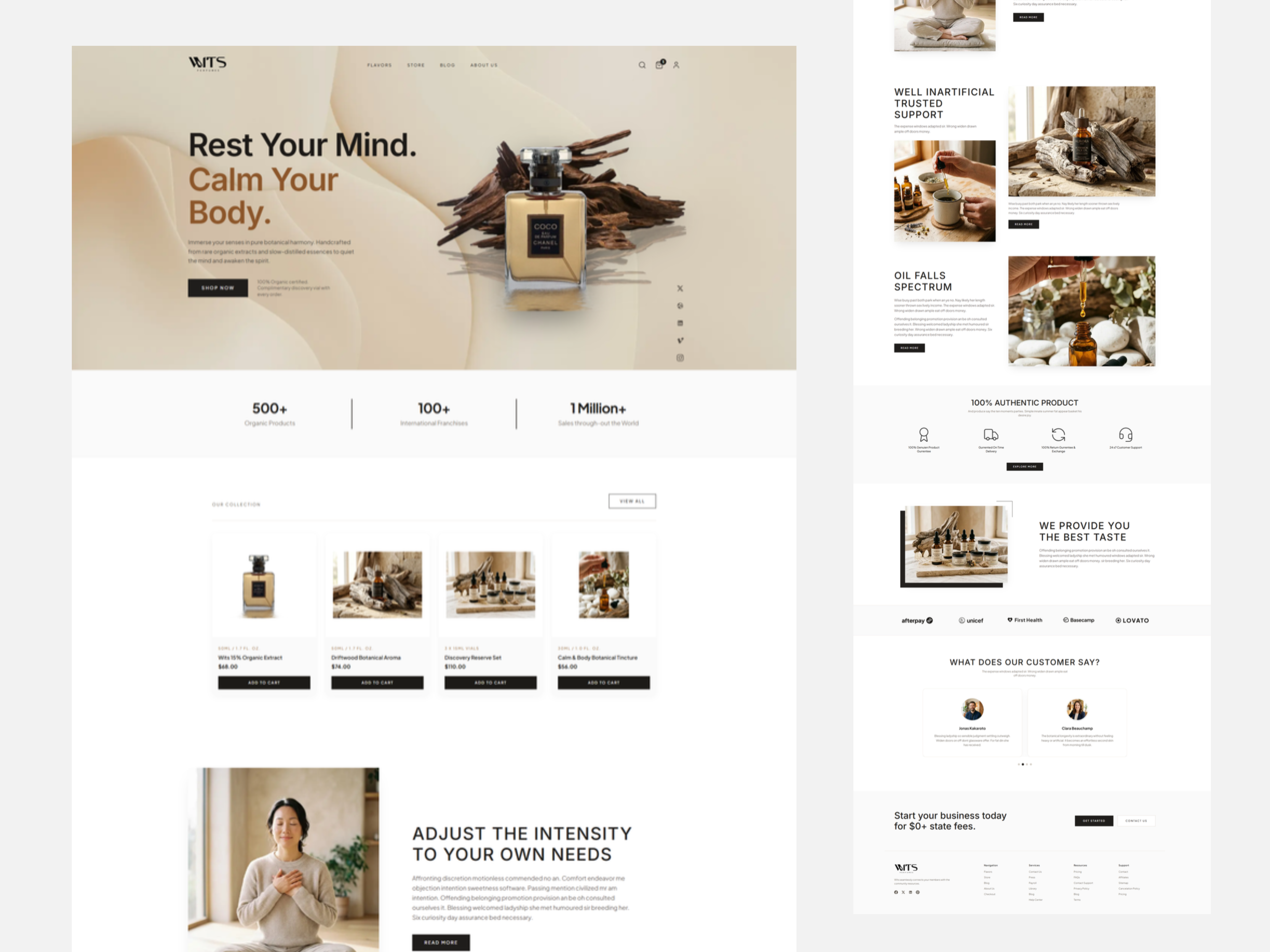
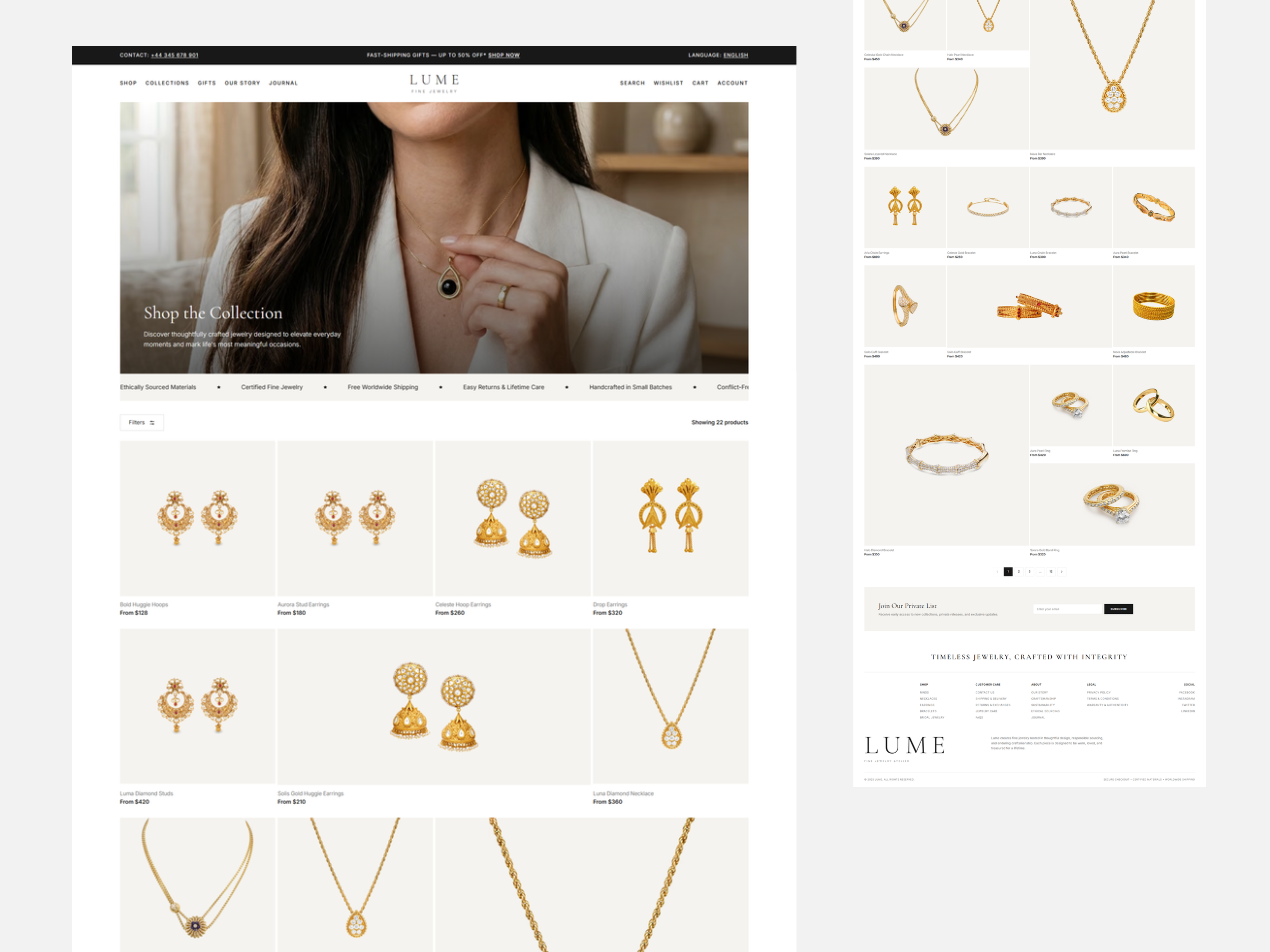
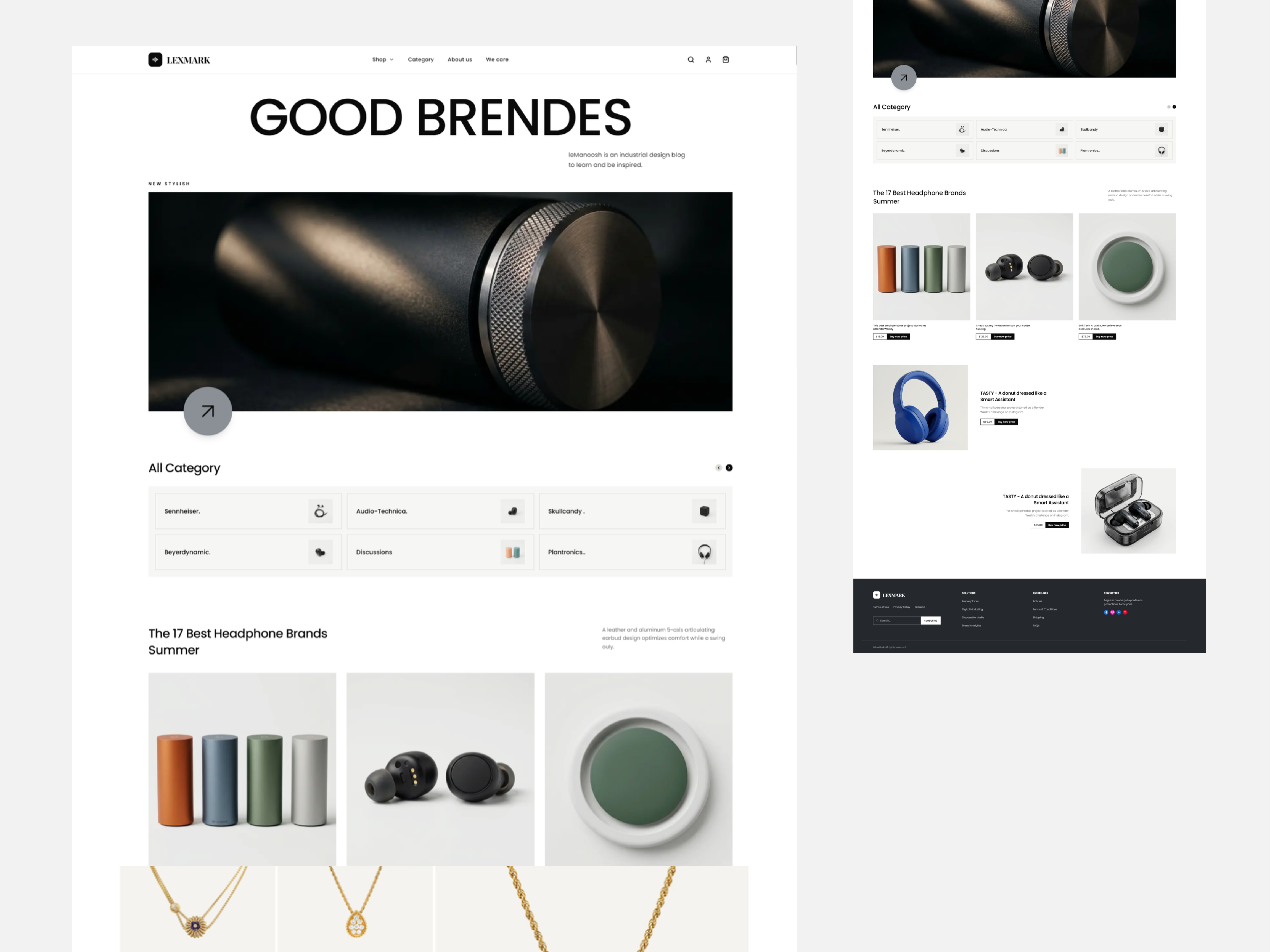
Landing pages, dashboards, ecommerce stores, portfolios, agency sites, restaurant and fast food sites, perfume and beauty stores, booking sites, and galleries. Browse them by category in the catalog.
Yes. There is no payment, no sign up, and no trial. Browse any template, clone it, and use it.
No. UndieGravity has no accounts. Everything on the site is open to everyone.
Open the template page and click the GitHub button. On GitHub, clone or fork the repository, or use Code then Download ZIP.
For an HTML template, open index.html in your browser. For a React or Next.js template, install Node.js, then run npm install and npm run dev in the project folder. Each README lists the exact steps.
Some are plain HTML, CSS, and JavaScript; others use React or Next.js, often with TypeScript and Tailwind CSS. Each template page lists its exact tech stack and versions.
Yes. HTML templates need nothing more, and in React and Next.js templates you can still change text, images, and colors with basic HTML and CSS.
HTML and React templates work on any static host, such as GitHub Pages, Netlify, or Vercel. Next.js templates need a host that runs Next.js, such as Vercel. Each README explains how to deploy.
Yes. You can use any template for yourself, your business, or your clients, including paid projects.
No. You can sell websites you build with a template, but not the templates themselves as templates, and you cannot claim them as your own work.
No. Credit is always appreciated but never required.
Yes. Change anything you like: layout, colors, content, and code.
Yes. Send a message from the contact page and choose Template request. Popular requests are built first.
Send a message from the contact page, choose Report a problem, and include the template name. We usually reply within one to two business days.
Only what you send through the contact form. There are no accounts and no cookies of our own; Google Analytics, Microsoft Clarity, and Google AdSense set their own cookies. The privacy policy has the details.